
As people live longer, education for seniors is becoming more important. Learning at any age helps keep the mind active, improves mental health, and increases overall well-being. But for seniors who experience memory loss-such as from Alzheimer’s or other forms of dementia-traditional learning can be hard.
That is where personalized memory care comes in. Focusing on each senior’s abilities and interests, it helps them learn, stay engaged, and maintain independence. Read on.
What Is Personalized Memory Care?
Personalized memory care is a teaching method designed for each individual. Instead of giving the same lessons to everyone, it adjusts learning based on:
- memory ability
- comprehension
- personal interests
Seniors respond better when learning connects to their past experiences or hobbies. For example, someone who loves gardening can learn through nature-based activities, while a former teacher might enjoy storytelling exercises. This approach not only helps the brain stay active but also makes learning less stressful and more enjoyable.
Helping the Brain Stay Strong
One of the biggest benefits of personalized memory care is keeping the brain healthy. Activities such as memory games, puzzles, and creative projects challenge the mind and improve thinking skills. When these activities are personalized, they target weaker areas while building on what seniors already know.
For example, a senior with a musical background could practice memory exercises using songs or rhythms. This combination of familiarity and challenge helps improve memory and encourages cognitive growth. Check out Terrabella Memory care insights to learn more.
Emotional and Social Benefits
Memory problems can make seniors feel lonely, frustrated, or anxious. Personalized memory care addresses these challenges. Seniors can learn at their own pace, which helps them feel successful and confident.
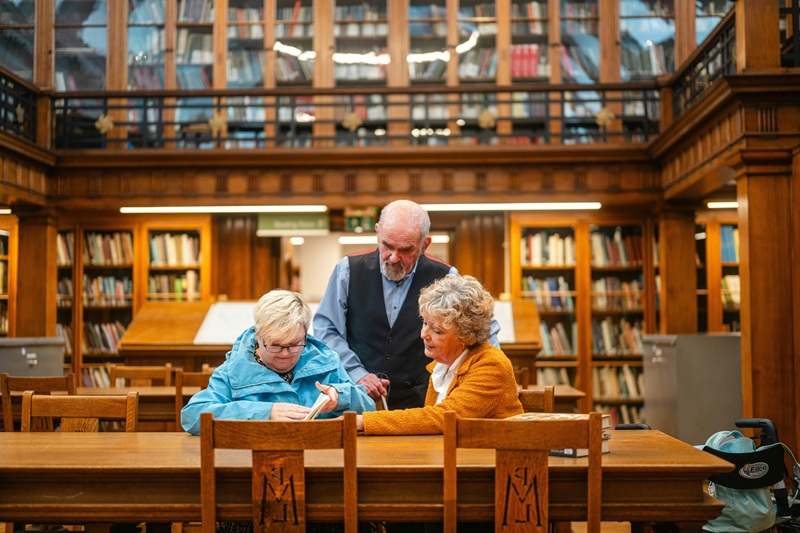
Group activities that match individual abilities encourage social interaction and meaningful connections. Sharing experiences with others reduces isolation and supports emotional well-being. Seniors not only learn new things but also feel valued and included.
Technology Makes Personalized Learning Even Better
Technology is making memory care more effective. Digital tools can track progress, adjust lessons in real-time, and provide interactive exercises suited to each senior. Virtual reality, brain-training apps, and adaptive learning programs make learning fun and engaging.
Seniors can explore new topics, revisit familiar ones, and keep their minds active in ways that feel exciting rather than stressful. Technology also allows educators and caregivers to see what works best for each person, making lessons even more effective.
Supporting Caregivers and Educators
Personalized memory care also benefits caregivers and educators. By understanding each senior’s needs, they can communicate better, anticipate challenges, and provide support in the right way.
This teamwork ensures seniors get learning experiences that are both stimulating and emotionally supportive. It also reduces stress for caregivers, as they can focus on strategies that work rather than using a trial-and-error approach.
Your Path to Enhanced Well-Being
Personalized memory care is changing the way seniors learn. By focusing on cognitive, emotional, and social needs, it allows seniors to keep learning, stay engaged, and feel proud of their accomplishments. As the population of older adults grows, personalized approaches will become even more important.
They help seniors continue learning in ways that are meaningful, enjoyable, and good for the brain. With personalized memory care, seniors can thrive, no matter what challenges memory loss may bring.
If you want to read more articles, visit our blog.