

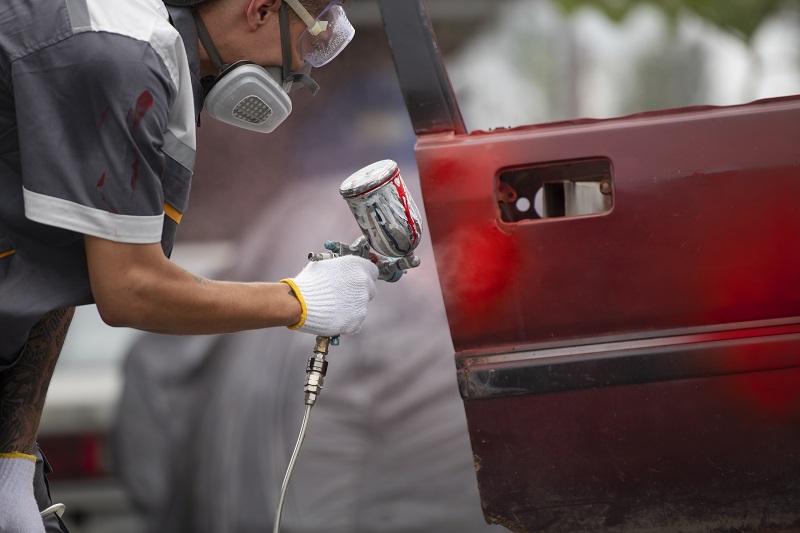
Your car’s paint isn’t just for looks; it protects the exterior from weather, road debris, and daily wear. A clean, glossy finish can make your vehicle seem newer and more valuable, but maintaining it requires more than the occasional wash. Everyday driving exposes your car’s paint to damage from small rocks, dirt, bugs, bird droppings, tree sap, road salt, and UV rays. Even improper washing habits can leave marks over time. The good news is that a few simple habits can help preserve your car’s paint. From regular cleaning to using protective film, here are practical ways to keep your vehicle’s exterior looking sharp.
Wash Your Car Regularly
Washing your car regularly is one of the easiest ways to protect its paint. Contaminants like dirt, dust, and road grime stick to the surface and can slowly wear down the finish, eventually leaving stains or dull spots. Wash your car on a consistent schedule, especially after long trips or driving on stormy or dusty roads. Use a gentle, pH-balanced car wash soap, as harsh household cleaners can strip the protective layers from your paint. To avoid scratching, use a soft wash mitt or microfiber cloth and rinse the car thoroughly before washing to remove loose debris. A careful wash removes buildup without causing new damage.
Dry the Surface Properly
Letting your car air dry might seem convenient, but it can leave mineral deposits on the paint, creating water spots. Over time, these spots can make the finish look dull. To prevent this, dry your car with a clean microfiber towel after washing. Use light pressure and make sure the towel is free of old debris, which can cause fine scratches. Drying your vehicle correctly helps maintain a smooth finish and a cleaner shine.
Avoid Harsh Cleaning Products
Not all cleaning products are safe for your car’s paint. Harsh chemicals, rough brushes, and abrasive cleaners can strip away protective layers and damage the finish. Always choose cleaners specifically designed for automotive use, as they clean effectively without being too aggressive. It’s also wise to use separate towels for different parts of the vehicle. For instance, never use the same towel on your wheels and painted panels, because brake dust and grit can easily scratch the paint. Using gentle products and practicing careful cleaning habits will go a long way in keeping your car’s exterior looking new.
Park in Shaded or Covered Areas When Possible
Constant sun exposure can fade and weaken your vehicle’s paint. Over time, UV rays can dull the finish, and heat can make contaminants like bird droppings and tree sap harder to remove. Parking in a garage, carport, or even a shaded spot can significantly reduce this damage. This simple habit helps protect both the exterior paint and the interior of your car, preserving its finish for longer.
Remove Bugs, Sap, and Bird Droppings Quickly
Some substances can be more damaging than regular dirt. Bird droppings, bug splatter, tree sap, and road tar can bond to your car’s paint, causing stains if not removed promptly. The longer these contaminants sit, the harder they are to remove without damaging the finish. Clean these spots as soon as you notice them using a gentle automotive cleaner and a soft cloth. To prevent scratches, avoid scraping or scrubbing aggressively. Instead, let the cleaner soften the debris before carefully wiping it away. Quick removal helps prevent permanent marks and keeps your paint looking smooth.
Use Paint Protection Film for High-Impact Areas
One of the best ways to protect your vehicle’s finish is to add a protective layer to high-impact areas. Paint protection film is a clear layer applied over painted surfaces to guard against rock chips, scratches, scuffs, and stains. This film is typically used on the front bumper, hood, side mirrors, door edges, rocker panels, and fenders, as these areas are most exposed to road debris. Drivers looking for auto paint protection film in Salt Lake often want a practical way to keep their vehicle looking new. The film protects the original paint while allowing the car’s color and shine to show through, making it a strong option for maintaining appearance, long-term value, and daily protection.
Be Careful When Parking
Your parking habits can significantly impact your car’s paint. Tight parking spaces, shopping carts, and nearby vehicles increase the risk of scratches and dings. When possible, opt for parking spots with extra room and avoid parking too close to large vehicles, sap-dripping trees, or high-foot-traffic areas. These small choices can minimize unnecessary contact with your vehicle. Careful parking is a simple yet effective habit that can prevent many common paint problems.
Avoid Improper Washing Techniques
Many scratches and swirl marks are the result of poor washing habits. Using dirty towels, rough sponges, or harsh automatic brushes can create fine lines in the paint. While these marks may seem small, they can dull the finish over time. To prevent this, use clean microfiber towels and rinse them frequently. Start washing from the top of the vehicle and work your way down, as the lower panels are typically dirtier. Instead of circular scrubbing, use gentle, straight-line motions. A proper washing technique is key to protecting your car’s surface and keeping it clean.
Conclusion
Your car’s paint faces daily threats, but proper care can preserve its appearance. Regular washing, safe cleaning products, careful parking, quick contaminant removal, and adding a protective layer make a significant difference. For stronger protection, paint protection film guards vulnerable areas against chips, scratches, and debris, preserving the original paint without changing the car’s look. A clean exterior isn’t just about aesthetics; it supports long-term value and signals good maintenance. With the right habits, your car can maintain its glossy finish for years.