

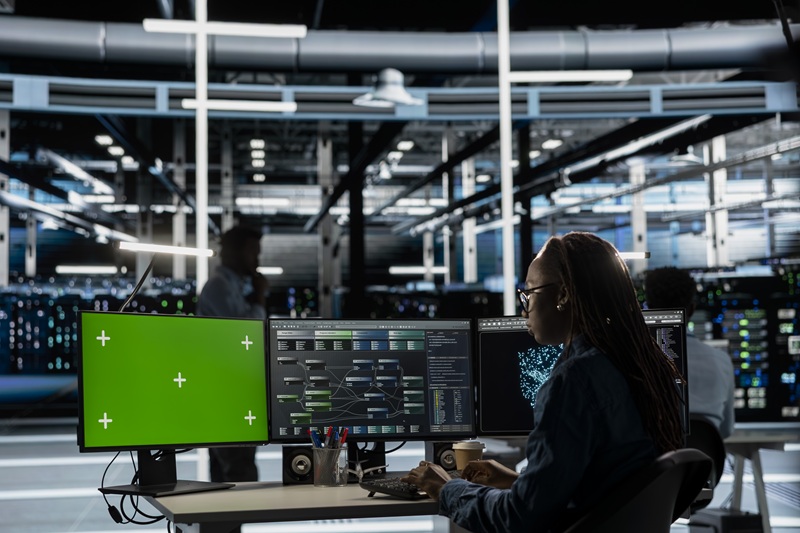
Understanding Industrial Control Systems and Cyber Risks
Industrial control systems (ICS) are critical for managing operations in sectors like energy, manufacturing, and transportation. These systems help monitor and control industrial processes, making them essential for daily operations. However, as technology advances, ICS are becoming more connected, increasing their exposure to cyber threats. Protecting these systems is crucial to prevent disruptions, financial loss, and safety hazards.
ICS often include devices such as programmable logic controllers (PLCs), distributed control systems (DCS), and supervisory control and data acquisition (SCADA) systems. While these devices improve efficiency, their link to corporate networks and the internet creates new security concerns. A successful attack on ICS can lead to production shutdowns, environmental damage, or even harm to human life.
The Importance of OT Security in Industrial Environments
Operational technology (OT) security is the practice of safeguarding ICS and related assets from cyber threats. For a deeper understanding, read about what is OT security in industrial environments. As industrial networks are linked with IT systems, attackers may exploit vulnerabilities to gain unauthorized access, manipulate data, or halt operations. Addressing these risks involves a mix of technical measures, policies, and staff awareness.
The convergence of IT and OT brings efficiency, but it also opens the door to cybercriminals who may use phishing, malware, or lateral movement techniques. The U.S. Department of Energy highlights the importance of securing OT to prevent attacks that can disrupt national infrastructure.
Common Cyber Threats Targeting ICS
Industrial control systems face several types of cyber threats. These include ransomware attacks, which can lock down critical systems and demand payment for their release. Phishing campaigns may trick employees into revealing sensitive information or installing malware. Some attackers exploit outdated software or unpatched vulnerabilities to gain access. According to the Cybersecurity and Infrastructure Security Agency, ICSs are also at risk from insider threats and supply chain attacks.
Additionally, advanced persistent threats (APTs) are a growing concern. These attackers often target critical infrastructure and may remain undetected for long periods. They can steal sensitive data, sabotage equipment, or disrupt operations. The targeting water and power utilities, emphasizing the need for robust security strategies.
Best Practices for ICS Cybersecurity
To reduce the risk of cyberattacks, organizations should follow industry best practices. Segmenting networks separates critical ICS components from regular business networks, limiting the spread of malware. Regularly updating and patching both hardware and software helps close security gaps. Multi-factor authentication adds an extra layer of identity verification for system access. Employee training is also essential, as workers need to recognize suspicious activity and follow security protocols. The National Institute of Standards and Technology (NIST) provides useful guidelines on ICS security.
Another important practice is conducting regular security assessments. By reviewing security controls and testing for vulnerabilities, organizations can discover weaknesses before attackers do. Access control policies should be enforced, ensuring that only authorized personnel can make changes to ICS settings or configurations. The Center for Internet Security (CIS) recommends using strong passwords and disabling unused ports to further reduce risk.
Incident Response and Recovery Planning
Even with robust safeguards, incidents may still occur. Organizations should have a clear incident response plan that outlines steps to take when a cyberattack is detected. This plan should include isolating affected systems, notifying stakeholders, and working with authorities. Regular drills and tabletop exercises can help teams prepare for real-world scenarios. Recovery planning focuses on restoring operations quickly and safely. The Department of Homeland Security offers valuable resources for incident response preparation.
Effective incident response planning also involves keeping detailed backups of critical data and system configurations. These backups should be stored offline or in separate, secure environments to prevent compromise during an attack. After an incident, conducting a thorough investigation helps identify the root cause and prevent similar events in the future.
The Role of Continuous Monitoring and Assessment
Continuous monitoring helps detect unusual activity in real time. Automated tools can alert security teams to threats before they cause harm. Regular network security assessments help identify weaknesses and ensure compliance with industry standards. By reviewing logs and analyzing traffic patterns, organizations can spot potential attacks early and respond swiftly.
Many organizations use intrusion detection systems (IDS) and security information and event management (SIEM) tools to monitor ICS environments. These technologies can help pinpoint unauthorized access or suspicious changes to system behavior, allowing for quicker containment of incidents. The European Union Agency for Cybersecurity (ENISA) provides additional recommendations for monitoring critical infrastructure.
Collaboration and Information Sharing
Protecting industrial control systems is not just the responsibility of individual organizations. Collaborating with industry peers, government agencies, and cybersecurity experts helps share knowledge about emerging threats and effective defenses. Information sharing can lead to faster detection of widespread attacks and improve collective security across the sector.
Information sharing and analysis centers (ISACs) play a key role in distributing threat intelligence. By participating in these groups, organizations gain access to timely alerts and best practices. The U.S. Department of Homeland Security encourages the use of ISACs for sharing information on threats and vulnerabilities in critical infrastructure sectors.
Building a Security Culture in Industrial Environments
A strong security culture is essential for protecting ICS. This involves more than just technical controls; it requires ongoing education and commitment from all staff. Regular training sessions help employees recognize social engineering attacks, suspicious emails, and unsafe behaviors. Leaders should encourage reporting of potential security incidents and reward proactive behavior.
Security policies and expectations must be clearly communicated. Organizations should review and update their procedures regularly to address new threats. Creating a culture of security awareness ensures that everyone plays a role in defending against cyber risks.
Emerging Technologies and Future Trends
The future of ICS cybersecurity will be shaped by emerging technologies. Artificial intelligence (AI) and machine learning are being used to detect anomalies and automate threat responses. As more industrial devices become connected through the Industrial Internet of Things (IIoT), the attack surface expands, requiring new defense strategies.
Zero trust architecture is gaining popularity in ICS environments, as it assumes that no user or device is inherently trustworthy. This approach limits access and constantly verifies identities. The National Renewable Energy Laboratory (NREL) explores how zero trust and advanced analytics can improve industrial cybersecurity.
Staying informed about new threats and adopting innovative solutions will be key to protecting industrial control systems in the years ahead.
Conclusion
Industrial control systems are vital to modern infrastructure, but they face growing threats from cyberattacks. By understanding risks, implementing best practices, and preparing for potential incidents, organizations can strengthen their defenses and ensure safe, reliable operations. Building a security culture, collaborating with partners, and staying current with emerging technologies will help protect these essential systems now and in the future.
FAQ
What are industrial control systems?
Industrial control systems are hardware and software used to monitor and control industrial operations, such as factories, power plants, and water treatment facilities.
Why are ICS targeted by cybercriminals?
ICS are targeted because they control essential services. Disrupting them can cause significant damage, financial loss, and safety risks.
How can organizations improve ICS security?
Organizations can improve security by segmenting networks, updating software, training staff, and preparing incident response plans.
What should be included in an incident response plan?
An incident response plan should detail procedures for detecting, reporting, containing, and recovering from cyber incidents.
Are there standards for ICS cybersecurity?
Yes, several standards exist, such as those from NIST, that provide guidelines for protecting industrial control systems.