

Choosing natural fabric clothing is the right starting point for a considered wardrobe. But natural is not a single category. Linen, cotton and velvet each behave differently, age differently and suit different kinds of garments. Understanding the distinctions is what turns a vague commitment to natural fibres into a wardrobe that actually works.
Linen: The Fabric That Gets Better With Age
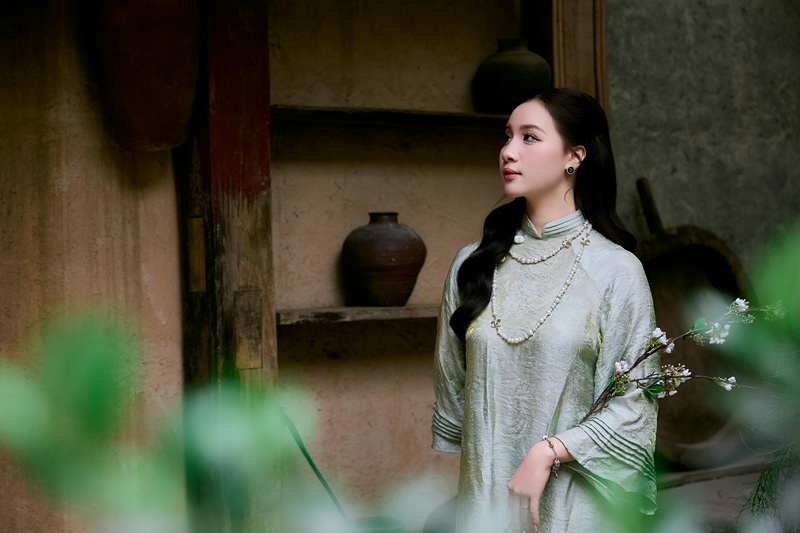
Linen is spun from the flax plant and has been in continuous use for thousands of years. That longevity is not incidental. It is one of the strongest natural fibres, and it gains strength rather than losing it with repeated washing. The texture softens over time without the fabric losing its structure, which is why linen is the material of choice for garments that need to hold a shape: structured bodices, boned corsets, tailored dresses.
Linen also breathes exceptionally well. It absorbs moisture and releases it quickly, which makes it comfortable across a range of temperatures. In summer it keeps cool. In the layered silhouettes of folk-inspired dress, worn under or over other pieces, it regulates temperature without bulk.
The one characteristic that puts some people off linen is its tendency to wrinkle. This is not a flaw in the fabric; it is how the fibre behaves. A linen garment that has been worn and creased is not damaged. It is being used. The wrinkles are part of the texture, and they soften further with each wear.
For structured pieces where linen really performs, folk corsets and embroidered tops in natural linen demonstrate exactly what the fibre can do when paired with traditional construction techniques.
Cotton: Versatile, Accessible, Dependable
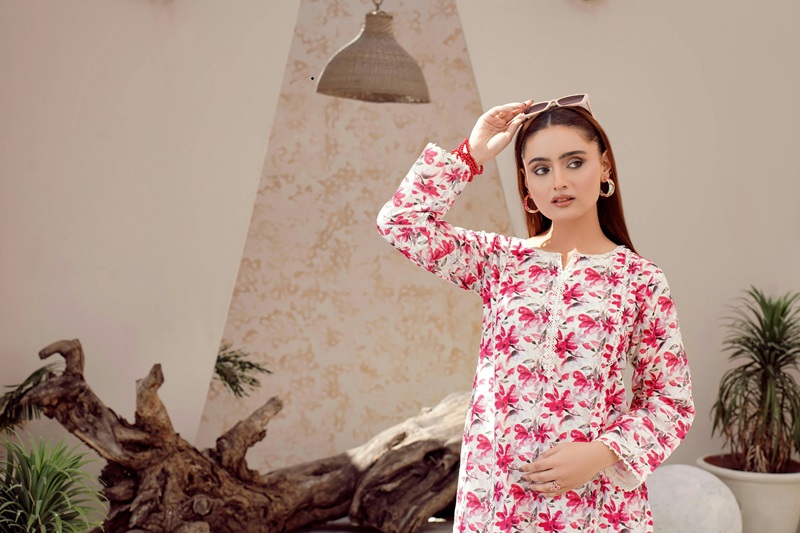
Cotton is the most widely used natural fibre in the world, and for good reason. It is soft against skin, easy to care for, takes dye well and works across a wide range of constructions, from fine poplin to openwork lace to smocked plain weave. Unlike linen, it does not wrinkle as dramatically and has a more relaxed drape.
Cotton wears differently depending on how it is woven. A cotton poplin has a smooth, slightly crisp surface suited to printed patterns and fine detail work. A cotton plain weave has more body and gathers well, making it ideal for smocking. Openwork cotton, knitted or woven into a lace pattern, creates a fabric that is simultaneously lightweight and visually detailed.
Cotton does soften with washing but does not strengthen the way linen does. Over many washes it will gradually thin, which is why the quality of the base cotton matters as much as the construction. Combed cotton, mercerised cotton and organically grown cotton all perform differently from commodity cotton at the lower end of the market.
Cotton is also the most forgiving fabric for those new to natural fibre care. It tolerates a wider range of washing temperatures, dries quickly and does not require the same careful handling as velvet or wool.
Velvet: Depth, Weight and a Different Kind of Durability
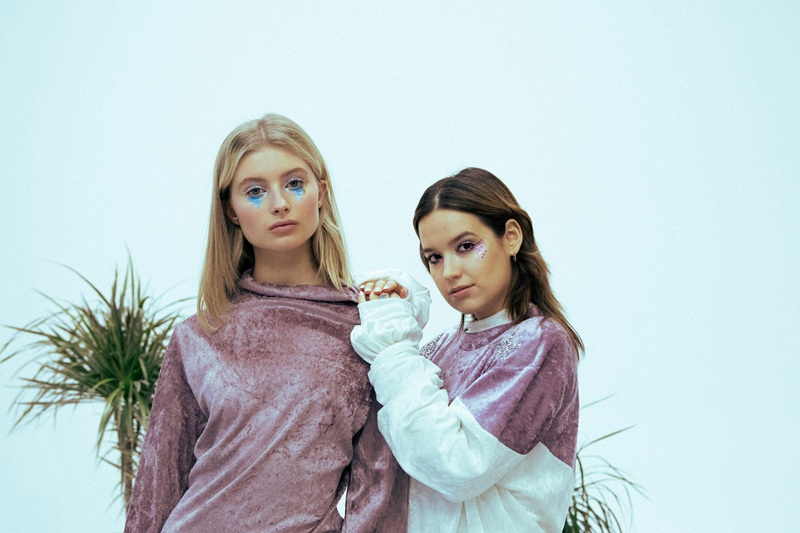
Velvet is a cut-pile fabric, most commonly woven from cotton, silk or a blend. The pile, the short upright fibres that give velvet its characteristic texture and sheen, is what makes it distinctive. Light catches it differently depending on the direction of the pile, which is why velvet reads as having colour depth rather than flat saturation.
Velvet is heavier than linen or cotton and has a different relationship to structure. It drapes with authority rather than crispness. For garments that need to carry hand embroidery, the pile anchors thread at depth, which means the embroidery sits more securely in velvet than in a flat-woven fabric. The thread does not migrate or flatten over time in the way it might in a lighter cloth.
Care for velvet requires more attention than linen or cotton. It should not be crushed in storage, as the pile can flatten permanently. It should be steamed rather than ironed, brushed periodically to keep the pile upright, and kept away from prolonged sunlight which can fade the colour unevenly. None of this is difficult, but it does require a different routine than throwing something in a machine wash.
Velvet works particularly well in cooler seasons and in garments designed for occasion rather than daily wear. A velvet corset or bodice worn over a linen dress is a layering combination that has historical precedent in European folk dress traditions, and it remains visually coherent for the same reasons it always was: the weight and texture contrast between the two fabrics is deliberate and resolved.
Mixing Fabrics: How the Three Work Together
The most considered natural fibre wardrobes do not rely on a single fabric. They use each material where it performs best. Linen for structure and base layers. Cotton for lighter pieces, casual dresses and anything that needs frequent washing. Velvet for occasion pieces and anything where colour depth and texture are the point.
In practice this means thinking about garments in relation to each other rather than in isolation. A linen dress functions as a base for a cotton or velvet layer. A cotton blouse pairs with a structured linen skirt. A velvet corset anchors a layered folk look built on lighter fabrics beneath.
For those exploring how these three fabrics can work together in a coherent wardrobe, the dresses and tunics https://www.voriagh.com/en/collections/dresses-tunics range shows linen and cotton used across different silhouettes, with the construction logic that allows them to be combined with structured top layers.
Which Fabric to Start With
If you are building a natural fabric wardrobe from a starting point of mostly synthetics, linen is the most useful first investment. It is durable, improves with use and works across seasons. A well-made linen dress or skirt will outlast most other garments in a wardrobe and will require no special handling beyond basic common sense.
Cotton follows naturally as the second category, particularly for pieces worn close to skin or in warmer months. Velvet is the third layer, for pieces that are worn less frequently but matter more when they are worn.
The order reflects durability and versatility, not value. All three fabrics, used well and cared for correctly, will outlast synthetic alternatives by years. The investment is in the garment, the fibre and the time it takes to make something properly. That is what natural fabric clothing, at its best, actually means.