

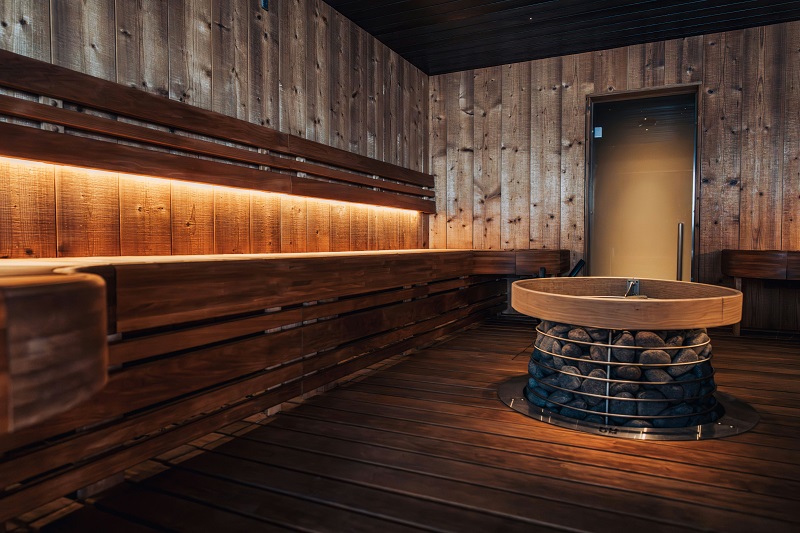
Wellness has become a lifestyle for many individuals throughout the UK. From home gyms to meditation spaces, homeowners are adding more comfort and wellbeing-enhancing features to their homes. The home sauna is one of the options that has become popular. Saunas, be it at home or in the garden, are a convenient means to unwind, unwind after the workout, and have spa-like experiences without going outside the home. This includes how much it costs to run a home sauna in the UK and whether the current costs make sense to an average household.
Why Home Saunas Are Becoming Popular in the UK
Home saunas are no longer a luxury that is only associated with expensive homes or exclusive spas. Sauna technology has enabled small, energy-efficient models to be affordable for average homeowners. The fact that individuals have a personal wellness area available at any time that suits them attracts many people.
This trend is also influenced by the UK climate. In colder and wetter seasons, a warm sauna session may be particularly relaxing and soothing. Homeowners will be able to use their spa or leisure facilities without having to travel to a spa or a leisure centre.
The increased concern for both physical and mental wellbeing is another factor that has led to their popularity. Stress relief, improved circulation, muscle relaxation, and post-workout recovery are the most common benefits associated with sauna sessions.
Understanding the Running Costs of a Home Sauna
Electricity Usage
Energy consumption is one of the most important issues to buyers. The size of a sauna, its heating system and the frequency with which the sauna is used are the major factors that determine the amount of electricity that is consumed by the sauna.
Generally, infrared saunas are the most energy efficient. They do not warm up the whole room but instead heat the body, therefore, they are at lower temperatures and consume less electricity. The typical infrared saunas consume 1.5 to 3 kilowatts of power per hour.
Traditional electric saunas use more energy since they require a lot of higher temperatures (usually between 70 C and 100 C) and consume 6-9 kW/h depending on the size of the heater.
Frequency of Use Matters
How often the sauna is used has a major impact on overall costs. One who visits the sauna once a week is bound to incur significantly less than a family that visits the sauna on a daily basis.
Most owners discover that a few times of use can provide significant relaxation and wellness benefits without much impact on energy costs. Some opt to use shorter sessions to strike a balance between comfort and efficiency.
Maintenance and Upkeep
Maintenance is also normally cheap other than electricity. The majority of home saunas will need regular cleaning and ventilation. The interiors made of wood can be built in such a way that it is resistant to moisture and odours, which is why it is relatively easy to maintain.
Simple maintenance will usually involve:
- Wiping down benches upon use.
- Allowing the sauna to air dry properly
- Periodically verifying heaters and controls.
- Mopping floors and surfaces.
Maintenance needs are usually minimal and cost-effective as compared to other home wellness installations.
Choosing the Right Sauna for Your Home
Infrared Saunas
The UK homeowners who do not have a lot of space are fond of infrared saunas. They tend to be small, take less time to heat and consume less electricity compared to their traditional counterparts. These saunas can be attached in the unused rooms, home gym or garage.
Traditional Saunas
Conventional saunas offer the classic high temperature experience that most individuals relate to spa amenities. They generate strong dry heat and may or may not have water being poured over hot stones to generate steam.
Outdoor Saunas
Outdoor saunas are gaining popularity in back gardens and patios in the UK. They will make their own wellness space independent of the main house and will be able to create aesthetic appeal to the outdoors.
Are Home Saunas Worth the Investment?
Long-Term Convenience
Convenience has been one of the greatest benefits of having a sauna. One does not need to travel, make reservations or share with other people. Owners will be able to have sessions at their convenience.
This ease of use tends to promote more frequent usage, and the sauna can become a worthy component of a regular health regimen.
Wellness Benefits
Several users buy saunas to relax and recover. A sauna session can be used after an exercise to make the muscles feel more relaxed and decrease the tension after the exercise. Others go to saunas to relax their minds after hectic working days.
The relaxing atmosphere also prompts individuals to unplug screens and day-to-day stress, which can assist mental health in a positive way.
Coast to Lifestyle Value
Although the initial investment in a sauna may appear expensive, some homeowners think that the initial expense would be less than the continued expenditure on spa visits, gym memberships, or wellness treatments. In the long run, frequent utilization can justify the investment.
The most important is whether the sauna will truly become a part of daily life, or a luxury that is only occasionally present.
Conclusion
A home sauna can be a valuable investment for many UK households with the potential to reap the benefits of comfort, convenience, and well-being. The cost of running is usually lower than anticipated due to the energy use in models of infrared that are energy efficient and middle-use patterns.
The selection of the appropriate sauna will be based on the space, lifestyle, and budget. A sauna can be a worthwhile addition to wellbeing all year round, whether it is to relax, recover after workouts, or establish a comfortable routine at home.