

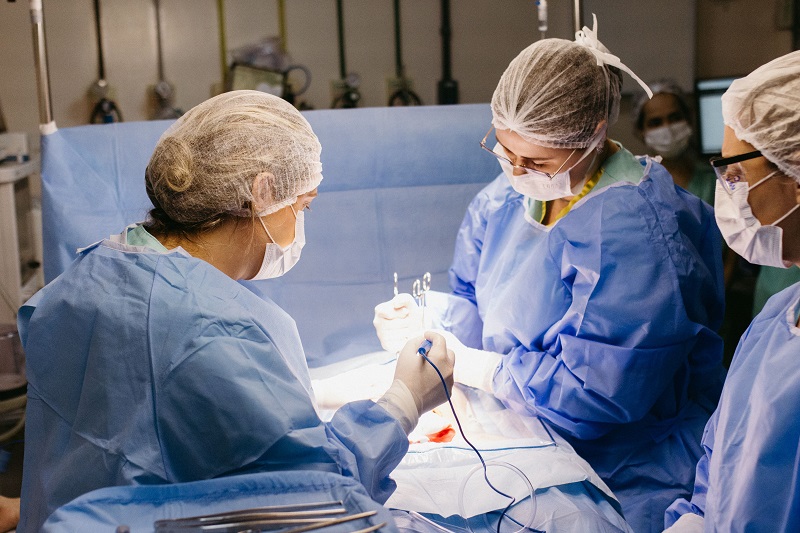
Surgery is one of the few professions where learning never truly ends. The techniques, technologies, and best practices that define excellent patient care continue to evolve year after year. Whether you are just beginning your career or have decades of experience in the operating room, your commitment to lifelong learning can be one of the most valuable tools you bring to the table.
If you are a practicing physician or even a surgeon looking for work, staying current with industry developments is more than a professional advantage. It demonstrates dedication, adaptability, and a passion for delivering the highest standard of care. In today’s healthcare environment, employers and patients alike expect surgeons to remain engaged with the latest advances in their specialty.
The Evolution Of Modern Surgery
The field of surgery has changed dramatically over the past several decades. Procedures that once required large incisions and lengthy recovery periods can now often be performed using minimally invasive techniques.
New developments continue to reshape the profession:
- Robotic-assisted surgery
- Advanced imaging technologies
- Artificial intelligence applications
- Enhanced recovery protocols
- Precision medicine approaches
As these innovations emerge, your ability to learn and adapt becomes increasingly important. What was considered cutting-edge ten years ago may now be standard practice.
Why Continuous Learning Matters
Lifelong learning directly impacts patient outcomes. When you stay informed about new techniques, clinical research, and evidence-based practices, you can make more informed decisions in the operating room.
Continuous education also helps you:
- Improve surgical precision
- Reduce complications
- Increase patient satisfaction
- Expand treatment options
- Strengthen professional confidence
Patients often seek surgeons who are knowledgeable about the latest treatment approaches. By continually refining your skills, you position yourself as a trusted expert in your field.
Building A Competitive Professional Profile
Healthcare organizations increasingly value surgeons who demonstrate a commitment to professional growth. Certifications, continuing medical education courses, workshops, and specialized training programs all contribute to a stronger professional profile.
Learning does not have to be limited to technical skills. Leadership development, communication training, and healthcare management education can also help you advance your career.
When employers evaluate candidates, they often look beyond surgical experience alone. They want professionals who are adaptable, curious, and committed to excellence. A strong learning mindset can help set you apart in a competitive job market.
Learning Beyond The Classroom
Not all valuable education happens in formal settings. Some of the most impactful learning opportunities come from daily experiences and professional interactions.
Consider incorporating these strategies into your routine:
- Participate in peer discussions
- Attend medical conferences
- Join specialty associations
- Review current research journals
- Seek mentorship opportunities
- Analyze challenging cases
Even a brief conversation with a respected colleague can provide insights that influence future patient care.
The Role Of Technology In Professional Growth
Technology has made ongoing education more accessible than ever. Online courses, virtual simulations, webinars, and digital medical libraries allow you to learn from experts around the world without leaving your practice.
Many surgeons now use digital platforms to stay informed about emerging procedures and clinical studies. These resources can help you maintain a steady learning rhythm despite the demands of a busy schedule.
The key is consistency. Small investments in education over time often lead to significant professional growth.
Creating A Lifelong Learning Mindset
The most successful surgeons recognize that mastery is not a destination. It is a continuous journey. Every patient, procedure, and professional challenge presents an opportunity to learn something new.
Approach your career with curiosity. Ask questions. Seek feedback. Explore new techniques while remaining grounded in evidence-based medicine. When learning becomes a habit rather than an obligation, professional growth happens naturally.
Conclusion
Unlocking surgical mastery requires more than technical expertise. It demands a commitment to continuous improvement throughout your career. By embracing lifelong learning, you can stay ahead of industry changes, strengthen patient outcomes, and build a rewarding professional future. The surgeons who continue to learn are often the ones who continue to lead, inspire, and make the greatest impact on the lives of their patients.